Lighting Finland’s Darkness
Over 4000 hours a year to captivate
What is lighting design?
Lighting design primarily ensures the necessary, correct light where it is needed, but it does not have to be limited to that. Lighting design can highlight the best features of sites, create sensory experiences, or even completely transform the visual experience from what it is during the daytime.
A lighting designer is capable of creating general lighting plans, positioning streetlights, lighting for bridges, fountains, and other public sites, facades, light art installations, and more, keeping aesthetics, objectives, and budget in mind.
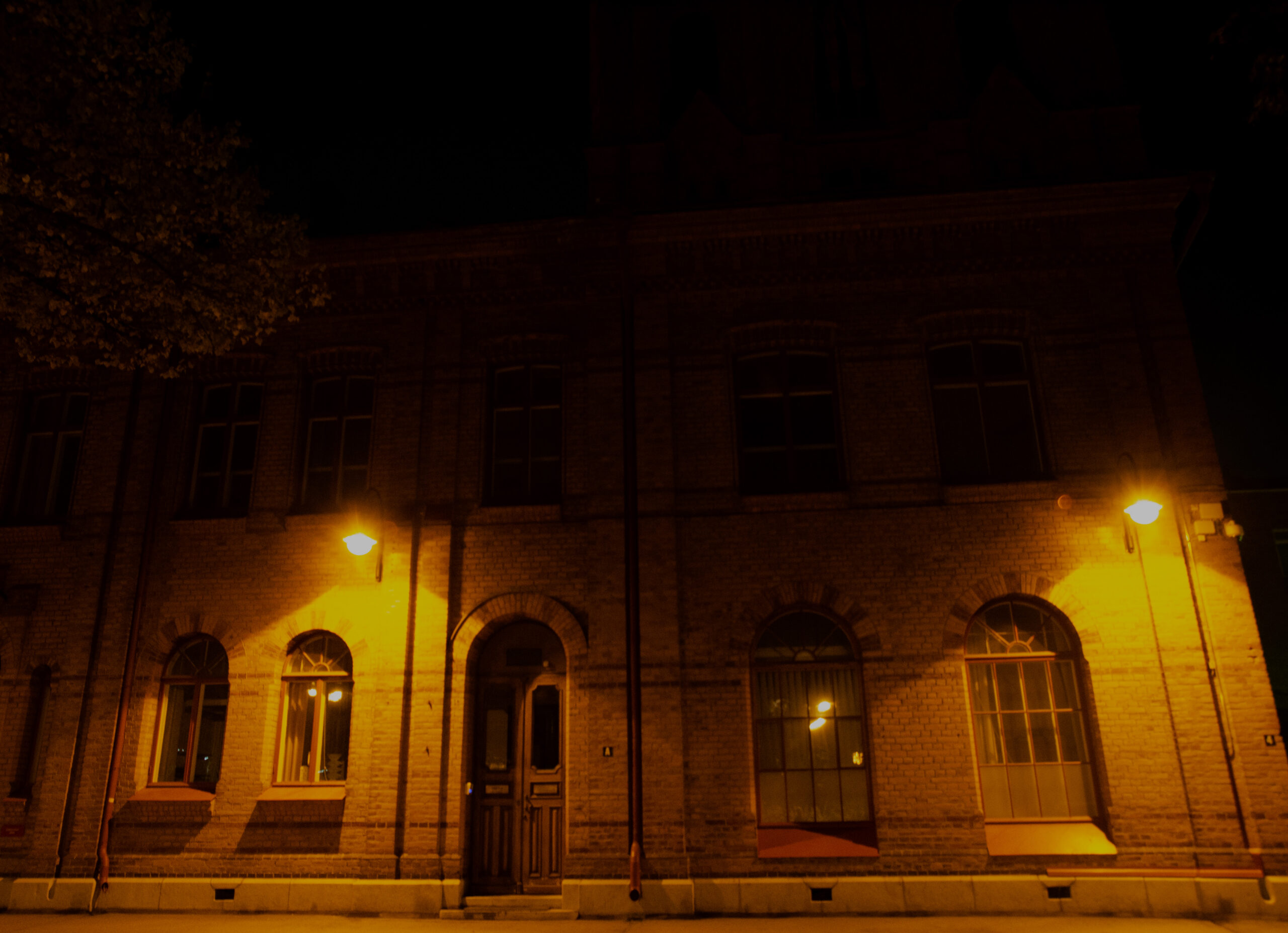
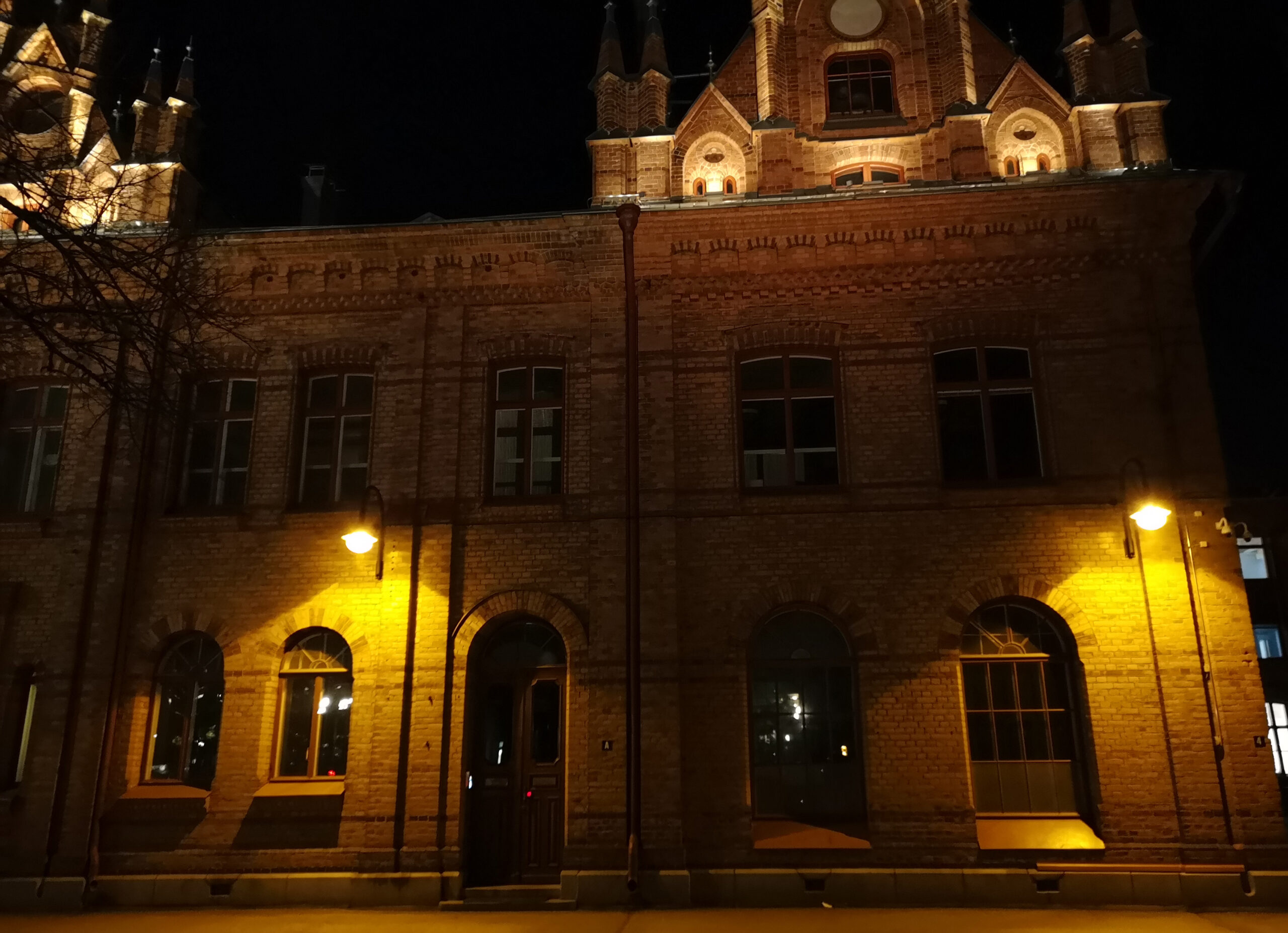
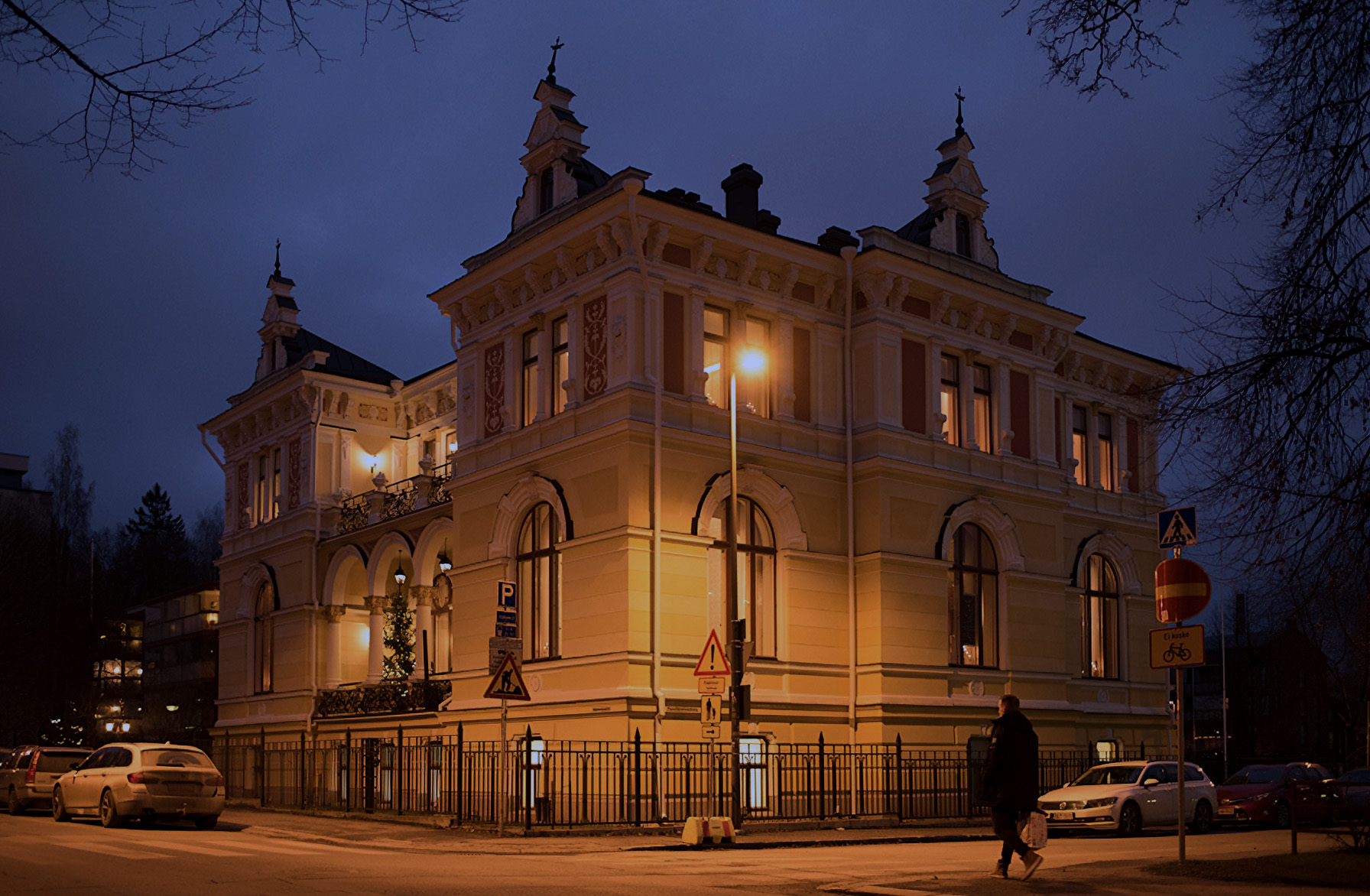
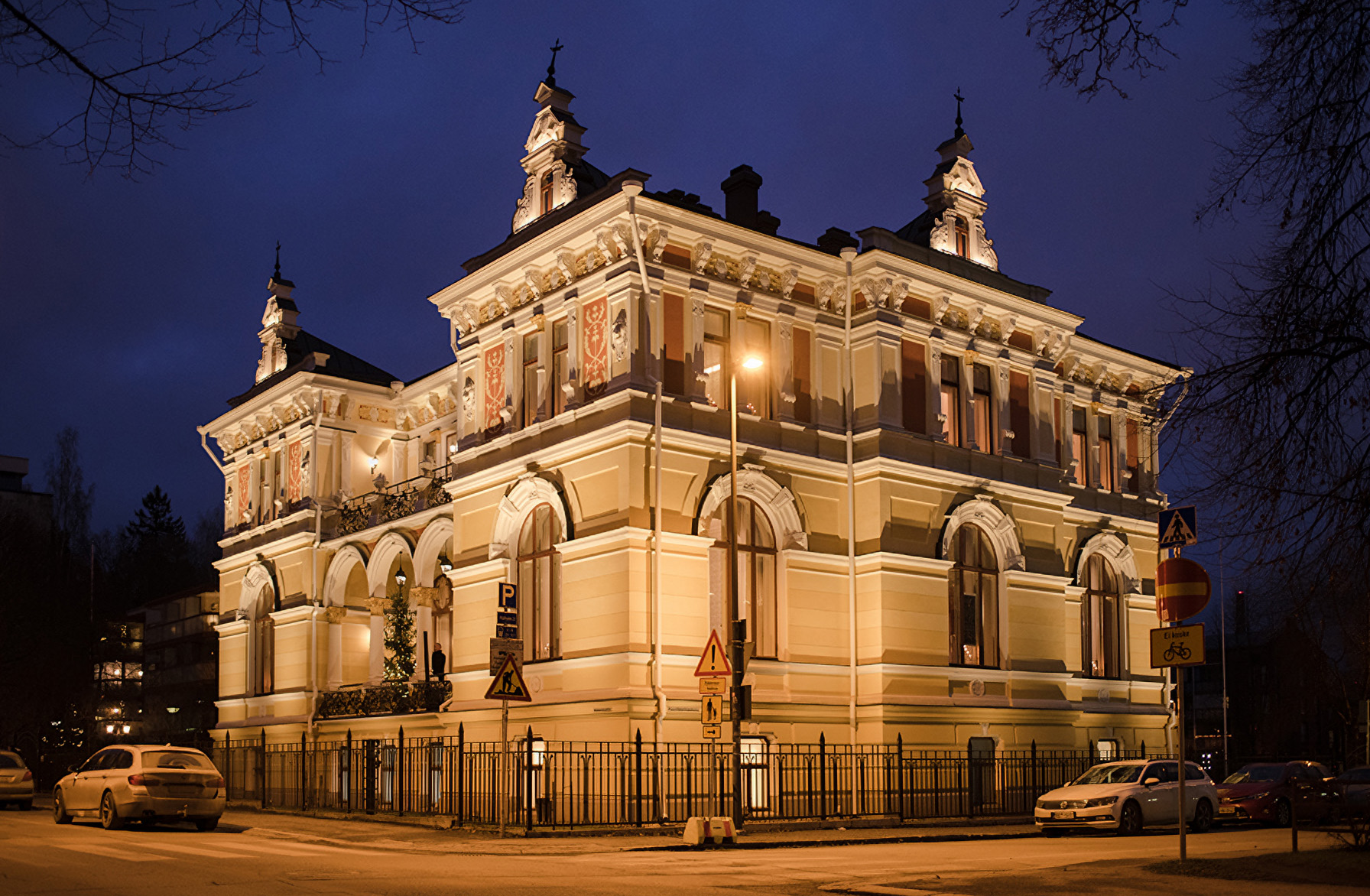
The design process also incorporates practical aspects, such as the placement of luminaires, how they can be best concealed while ensuring sufficiently easy installation and maintenance, and how to prevent any light from dazzling passing drivers or pedestrians.
An effective lighting solution is practically invisible; only the final result remains to be admired.
Example Project
Solo Sokos Hotel Torni, Helsinki
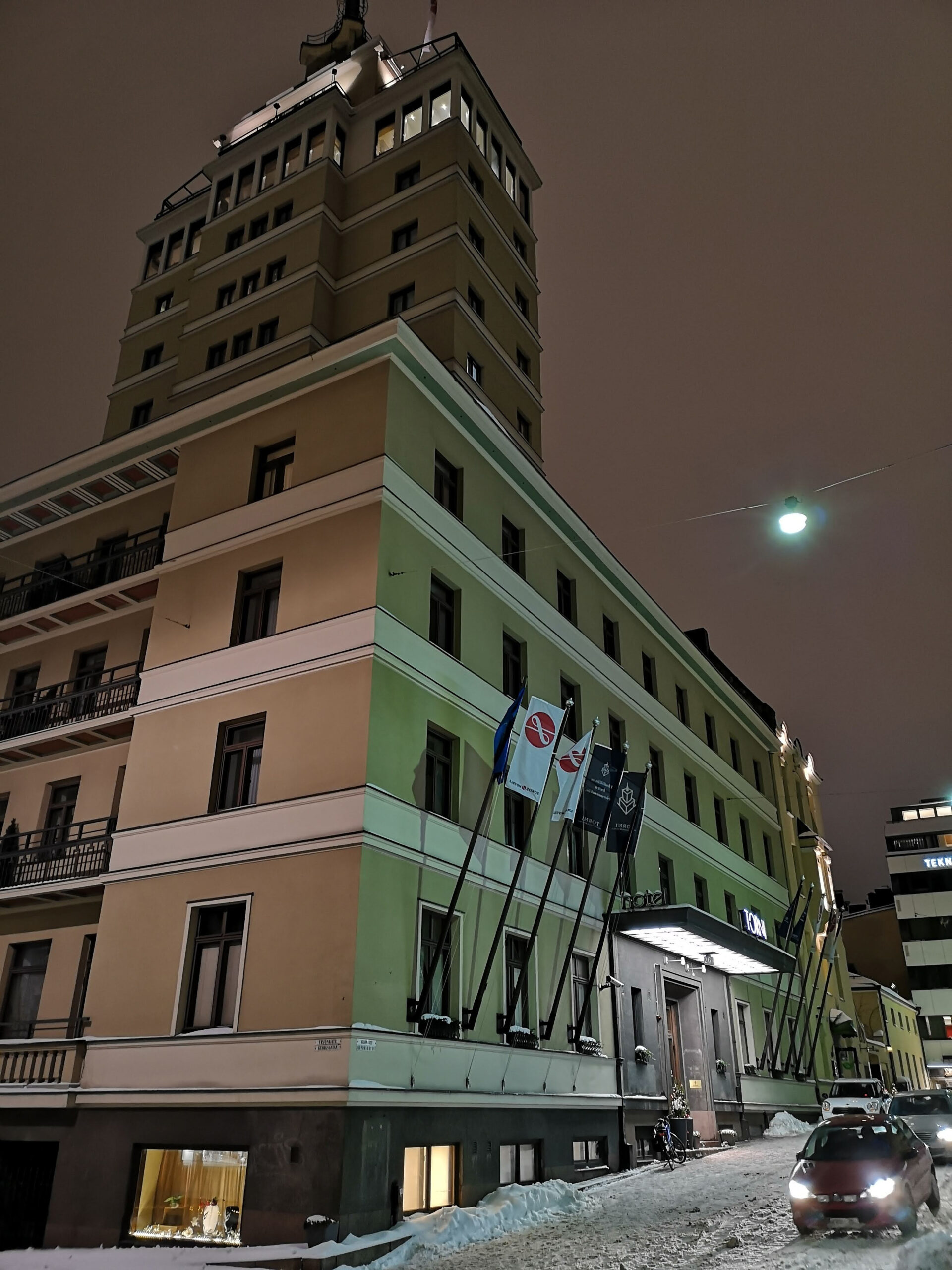
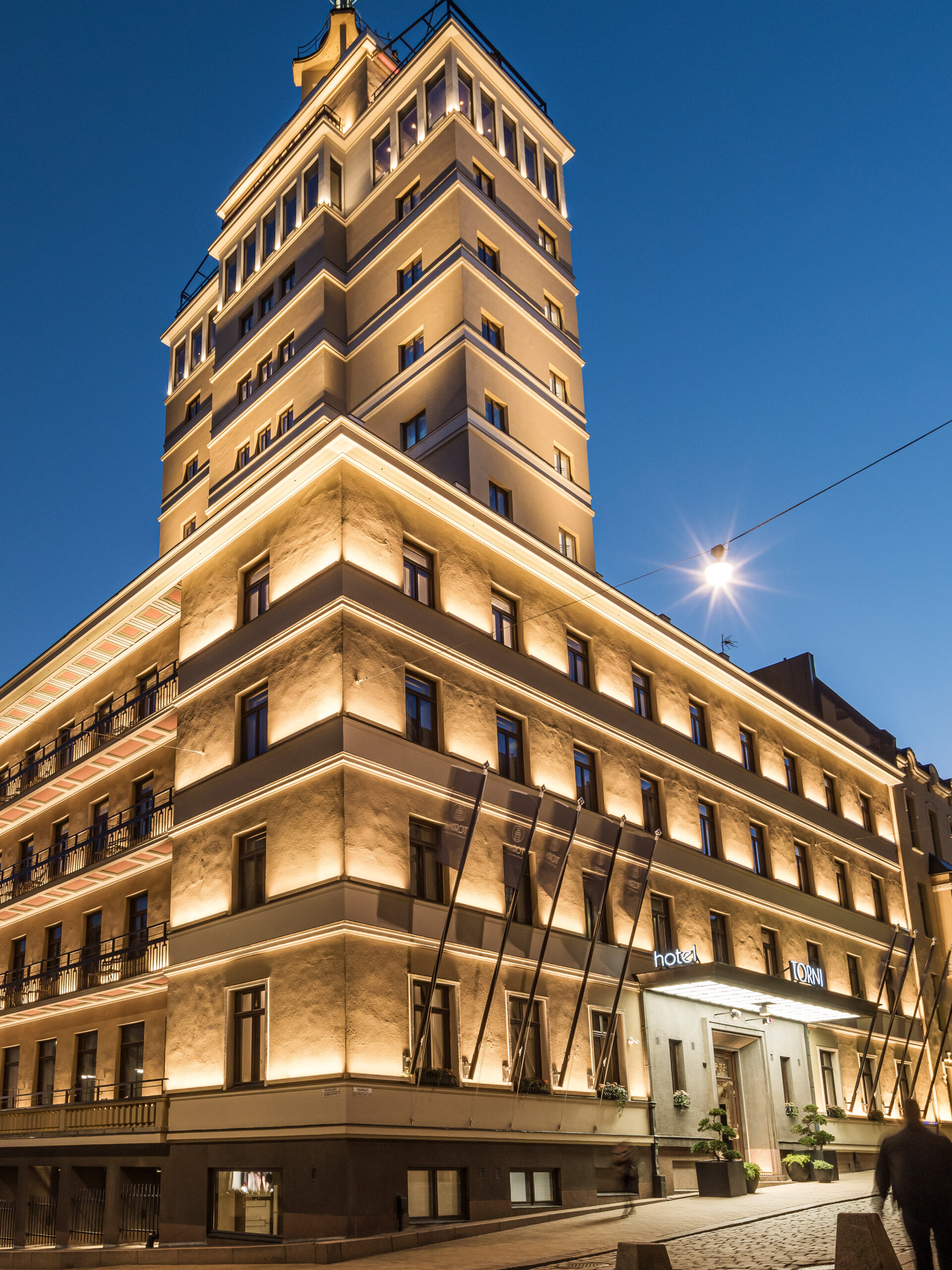
Opened in 1931, Hotel Torni was once Finland’s tallest building, causing both admiration and controversy in the center of Helsinki upon its completion. Designed in the style of 1920s American skyscrapers, the hotel, embracing Art Deco and functionalism, stood out radically from Helsinki’s cityscape both in its appearance and by being Finland’s first electrified building.
Objectives:
To create soft and subdued modern lighting that emphasizes and highlights the building’s architecture and style, while being as dignified, luxurious, and technically invisible as possible.
Results:
Having achieved a shared vision with the client, we created a lighting solution that met their needs, leading to both Finland’s Lighting Project of the Year 2023 award and an international LIT Lighting Design award. Nearly a hundred years after its completion, Hotel Torni, a pioneer in electrification, now enjoys modern lighting befitting its stature, creating nothing but admiration in its surroundings.

LIT Awards 2023, Winner
Solo Sokos Hotel Torni
Lighting Project of the Year 2023
Solo Sokos Hotel Torni
Design
After clarifying the client’s needs and budget, we were able to delve into the hotel’s architecture and history, which helped define the project objectives. With the aim of highlighting the dignity of Torni’s architectural style, several initial sketches were presented to ensure a shared vision and the correct design direction from the outset. The hotel’s model and drawings were also obtained for use in 3D modeling software.
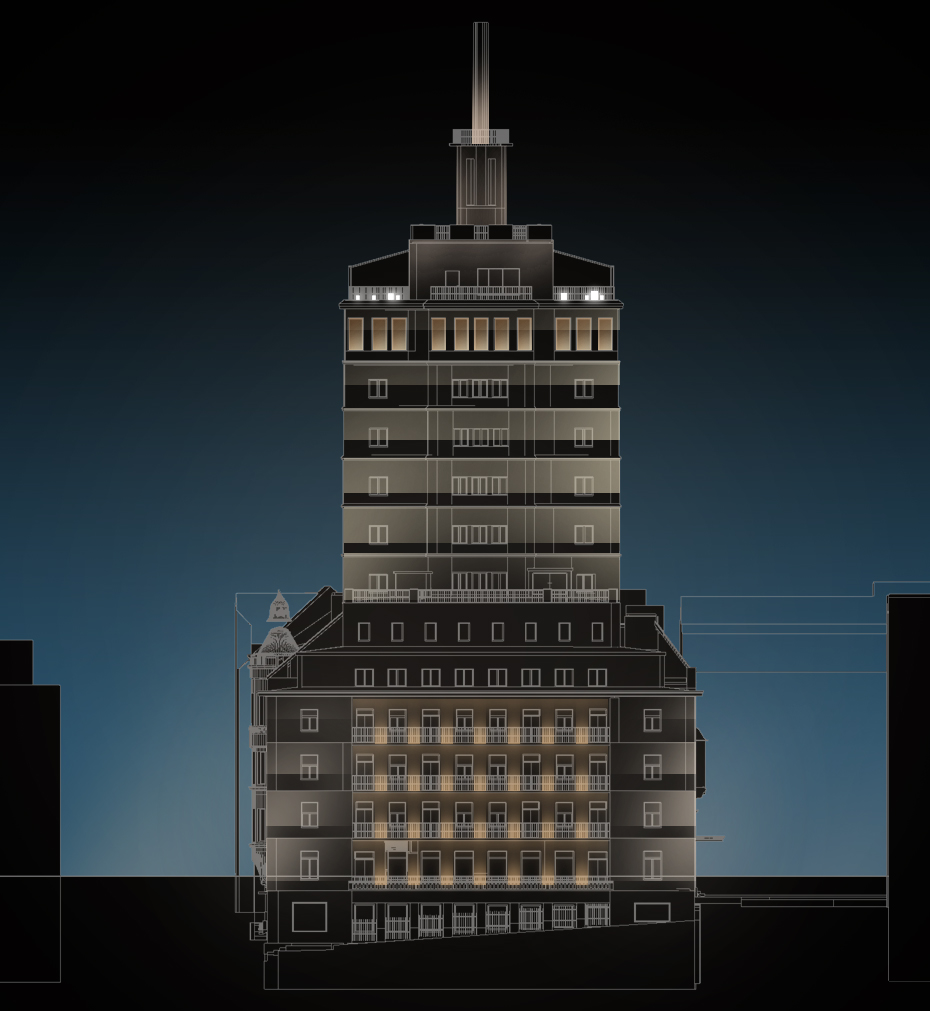
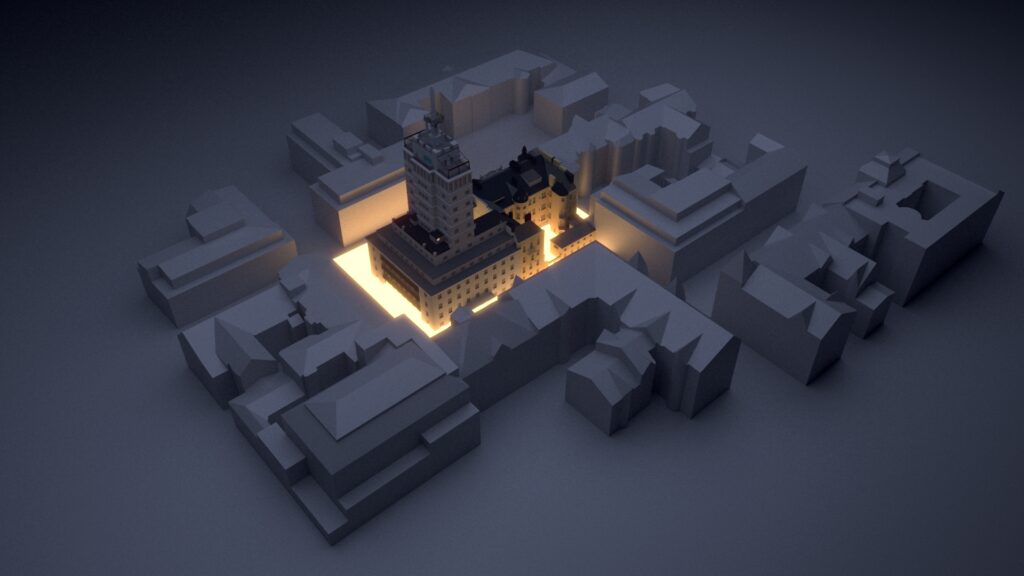
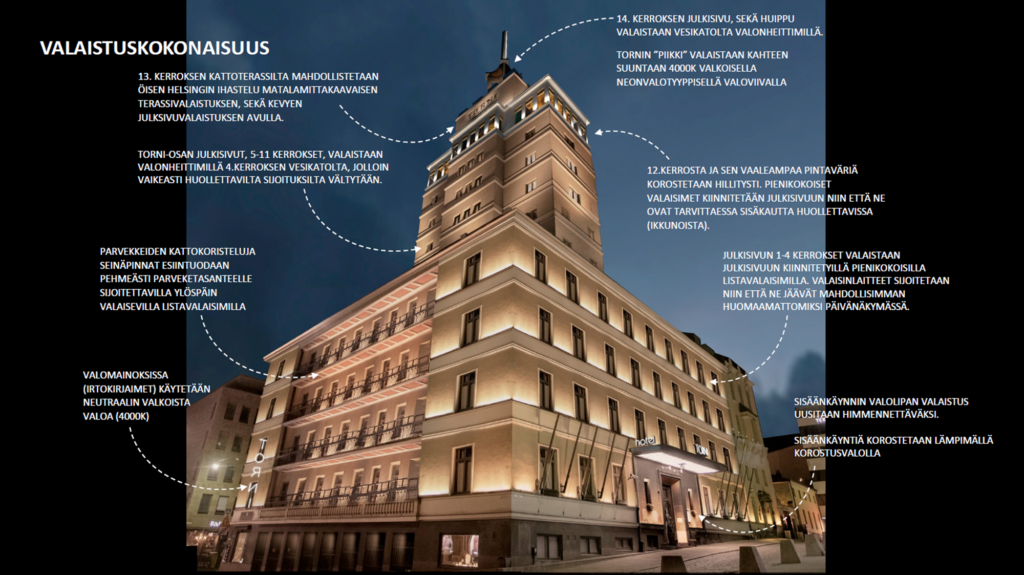
With the client’s chosen concept sketch and budget, we moved on to more detailed conceptual design. Through consistent communication and as visual models became more refined, necessary changes were made to the plans until the accompanying model image of the objective, created with image editing software, was finalized with its guidelines. Implementation planning only began once the shared vision was confirmed and every party was satisfied.
To ensure the client’s precise understanding of the final outcome, a 3D model of the objective was also created at this stage, which can be seen at the end.
Keeping traditional elements visually dominant was central to the design, and the concept was built around them, seamlessly integrating them into the whole. The Art Deco style includes a cake-like layering and the spire crown of the tower, which the lighting emphasizes.
To preserve the entrance’s ‘light canopy’, it was designed how the entrance would be integrated into the overall scheme without becoming too dominant.
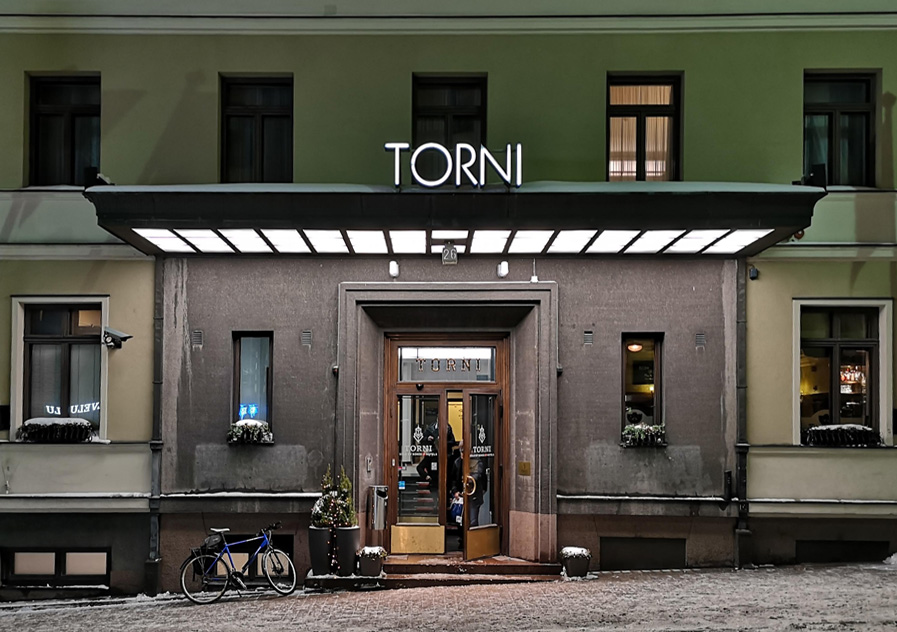
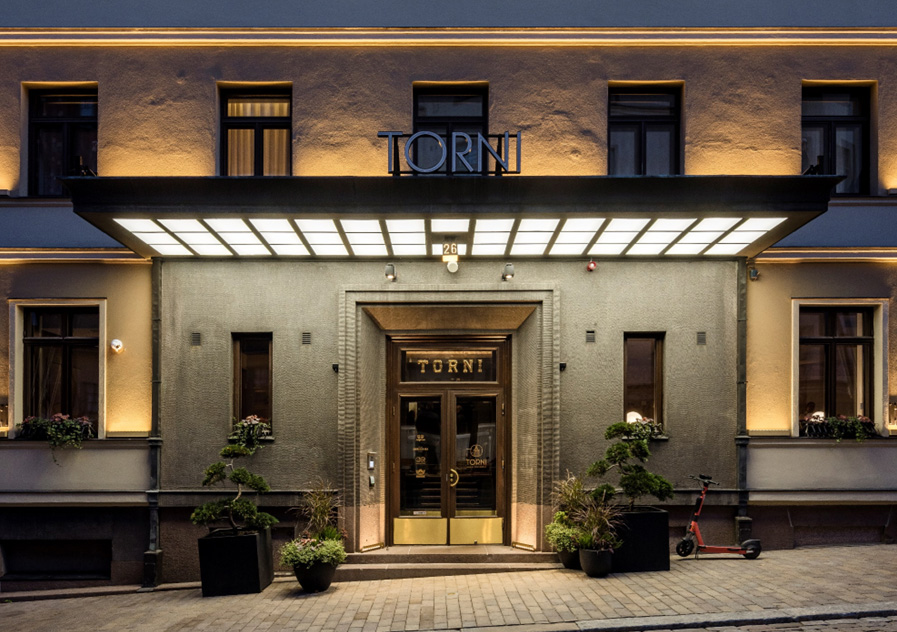
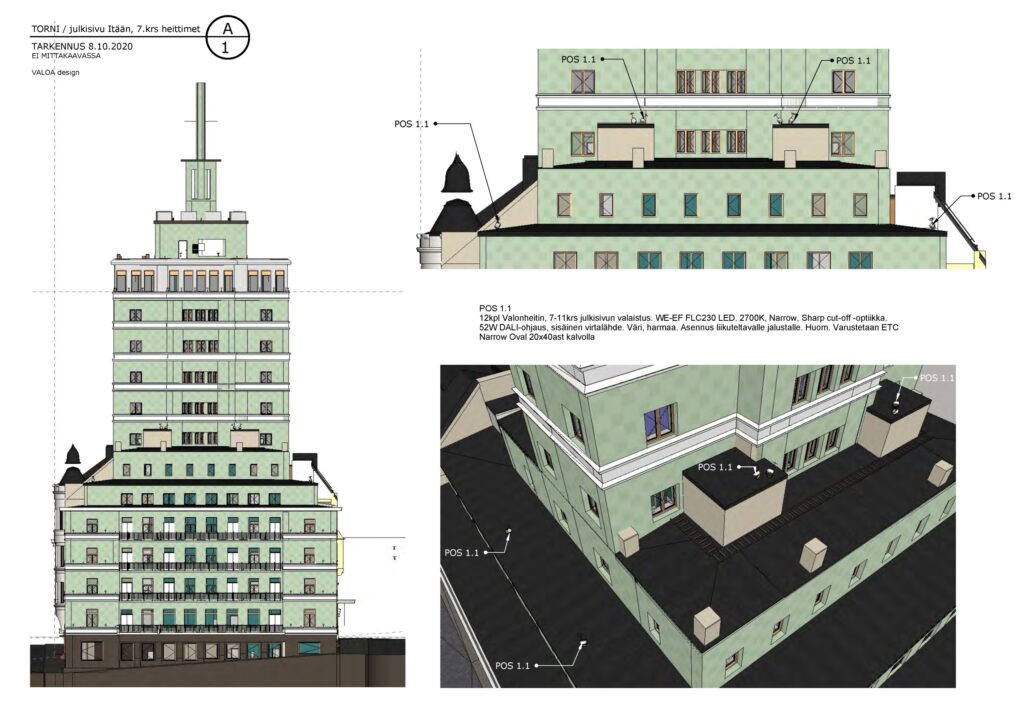
During the main design phase, lighting designers specify the necessary luminaires and their characteristics, such as optics, and determine optimal color temperatures and wattages through test lighting. The selected luminaires are drawn onto precise position maps. Control systems, installation methods, and the invisibility of cabling are planned as precisely as possible in advance.
Implementation and Installation
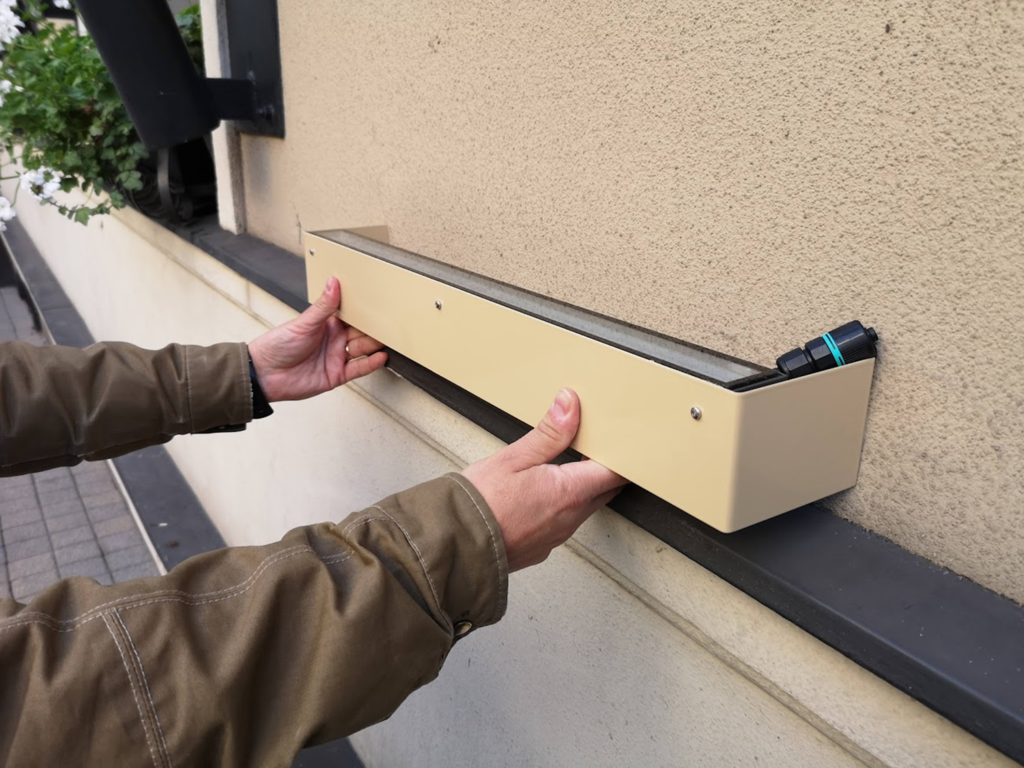
According to the drawn plans, the luminaires are installed, and the necessary programming, aiming, and fine-tuning are carried out. To ensure the invisibility of luminaires and cabling even in daylight, custom wall-colored covers were commissioned for the project.
The Result